


Kani vs Sozni: What Sets Apart Kashmir’s Two Most Iconic Weaves
Over the years, Kani and Sozni weaving techniques have become immensely popular for their beauty, skill, and the elegance they bring to traditional garments. While both create stunning patterns and textures, they are very different in approach and effect. Kani uses short wooden sticks called kanis to form bold, structured designs. Wearing Kani shawls of Kashmir gives an outfit a strong, eye-catching presence, perfect for formal occasions or when you want to stand out.
Sozni, on the other hand, relies on fine needlework to produce delicate, intricate details. A Sozni piece adds subtle charm and a soft, graceful layer to clothing, ideal for casual or semi-formal settings. With the rise in popularity of Kani and Sozni, many stores now offer items made using these techniques, including handmade Kani stoles among others.
Understanding the differences between Kani and Sozni can help you choose the right weave to complement your outfit and reflect your personal style.
What is Kani weaving?
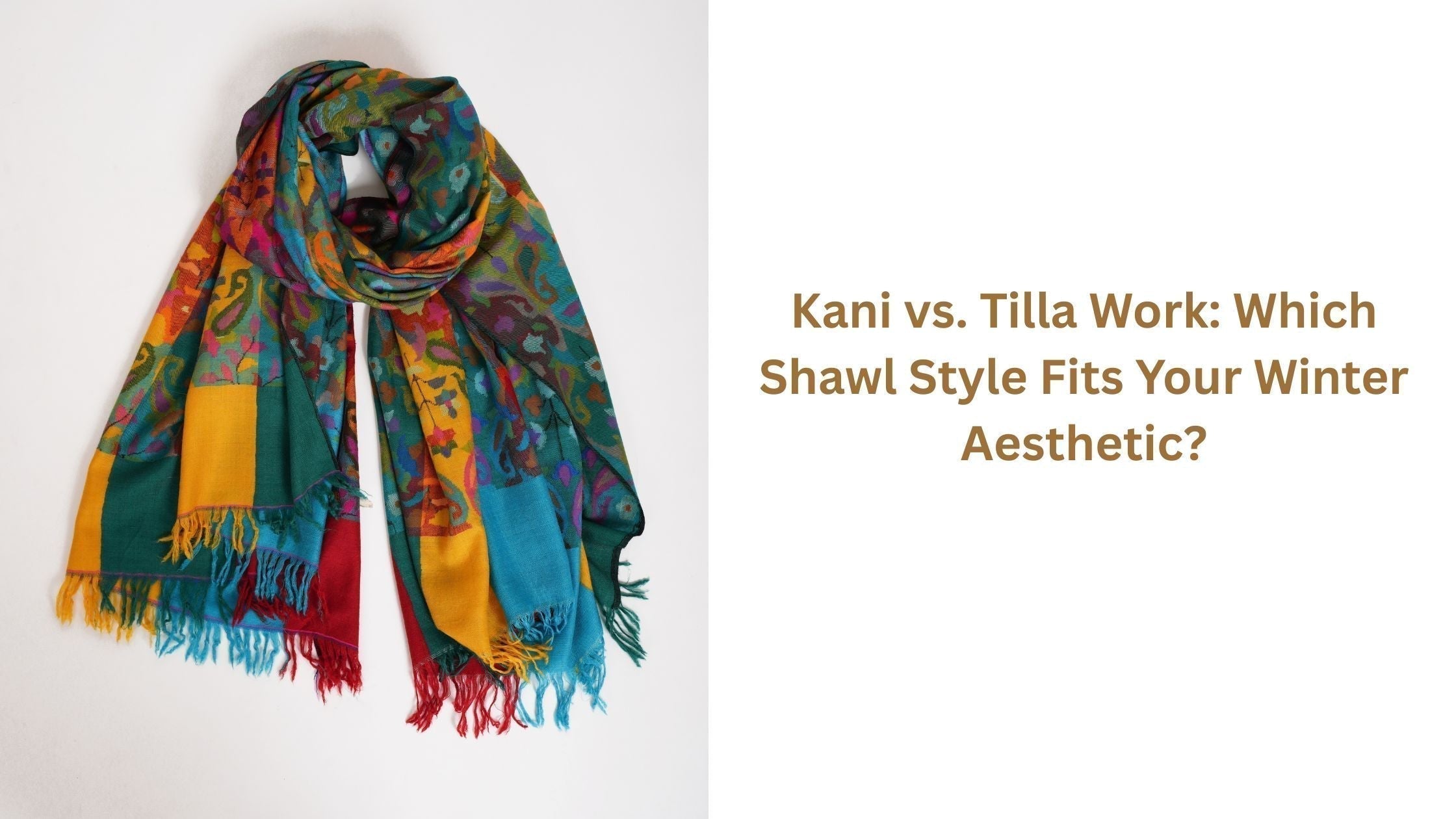
Kani is a traditional Kashmiri weaving technique. It uses short wooden sticks called kanis to hold colored threads. The weaver follows a pattern with these sticks, weaving thread by thread to create detailed designs. Kani weaving is known for producing bold and structured patterns.
Features of Kani weaving:
-
Creates strong, eye-catching designs
-
Works well for thicker fabrics
-
Patterns are long-lasting and hold shape well
What is Sozni weaving?
Sozni is a fine Kashmiri embroidery technique done with a small needle. The artisan stitches tiny, precise patterns directly into the fabric. This method allows for very delicate and intricate designs that look almost like lace.
Features of Sozni weaving:
-
Produces light, delicate, and detailed patterns
-
Adds finesse to the fabric without adding bulk
-
Requires patience and precision, making each piece unique
Kani vs Sozni: Comparing the Two Famous Kashmiri Weaving Styles
While both Kani and Sozni weaving create beautiful and detailed patterns, they offer very different effects that can completely change the look and feel of any type of outfit. Kani provides bold, structured designs that stand out, while Sozni delivers fine, delicate patterns that add elegance as well as subtle charm.
Let’s look at the main differences between Kani and Sozni weaving.
Pattern Style
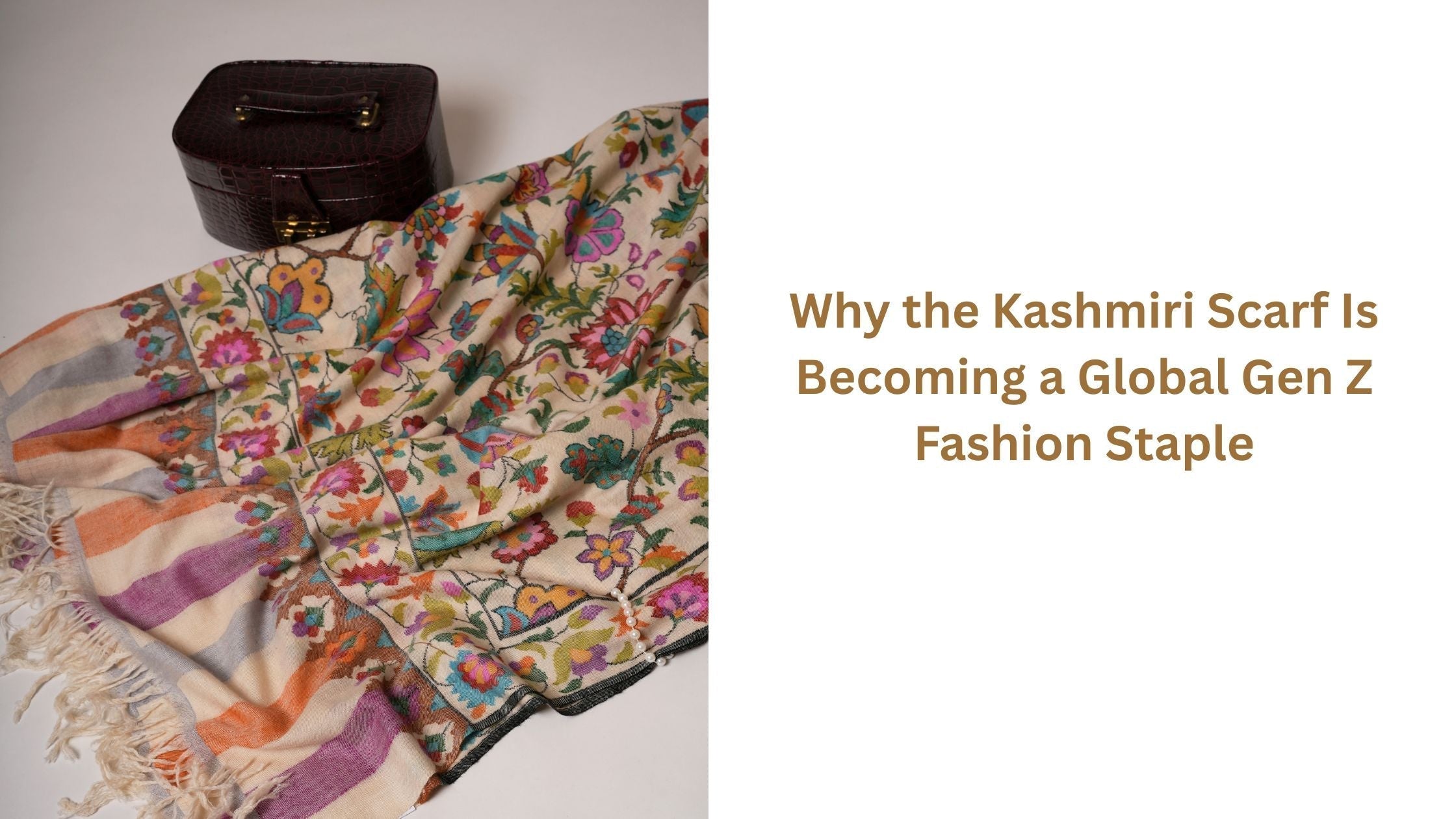
When it comes to pattern style, Kani and Sozni weaving differ in both scale and intricacy, giving each fabric a distinct character. Kani uses geometric or floral blocks repeated across the fabric, producing a bold, structured look. Sozni relies on tiny, detailed stitches that create delicate, flowing designs and give the fabric an elegant look.
-
Scale of Design: Kani patterns are larger and more prominent, giving the fabric a strong visual presence. Sozni designs are smaller as well as intricate, rewarding closer inspection to appreciate the full detail.
-
Complexity: Kani achieves visual impact through clear, structured motifs. Sozni builds complexity with fine, meticulous stitching that adds subtle texture and sophistication.
-
Pattern Interaction: Patterns interact differently with the fabric’s surface. Kani’s bold designs dominate the weave, creating a clear, structured visual rhythm. Sozni’s fine stitching blends into the fabric, adding gentle texture as well as delicate detail.
Both weaving styles feature distinct patterns that reflect the craftsmanship and expertise of Kashmiri artisans.
Fabric’s Feel
The feel of Kani and Sozni weaving gives each fabric a distinct character. Kani creates a slightly even texture that has the highest drapability . Sozni produces light, finely embroidered embellishments on fabric that drapes gracefully and feels soft and delicate against the skin.
-
Thickness and Weight: Kani fabric has moderate thickness, giving it structure while remaining delicate. Sozni is slightly heavier fue to additional embroidery threads, flowing naturally and adding subtle finesse to an outfit.
-
Touch and Comfort: Kani feels smooth and soft, making it comfortable as well as elegant to wear. Sozni slightly raised texture that provides a tactile richness.
-
Effect on Outfits: Kani brings a subtle, patterned texture that adds depth to outfits, while Sozni introduces a refined, detailed embellishment that enhances the look with understated elegance.
Both Kani and Sozni add distinct texture and elegance, giving outfits depth, charm and a touch of Kashmiri craftsmanship.
Visual Impact
While both Kani and Sozni weaving are admired for their craftsmanship, they differ in the intensity and subtlety of their visual impact, with each style drawing attention in a unique way. Kani patterns are bold and prominent, making the fabric stand out immediately. Sozni’s fine, detailed stitching is subtle and adds delicate elegance that becomes more noticeable on closer inspection.
-
Pattern Strength: Kani designs are prominent and make a statement on any fabric. Sozni patterns are intricate and subtle, rewarding careful observation with detailed beauty.
-
Depth and Detail: Even though Kani patterns are bold and structured, they maintain a clean, defined look. Sozni features delicate, intricate detailing that adds sophistication without overwhelming the fabric.
-
Visual Experience: Kani patterns immediately catch the eye, giving a bold, dramatic impression. Sozni’s delicate stitching reveals its elegance gradually, offering a refined and sophisticated effect that draws viewers in over time.
Both Kani and Sozni offer distinct visual impact, with each weaving style giving the fabric its own charm and elegance.
Final Thoughts:
While both Kani and Sozni offer exquisite craftsmanship, the choice entirely depends on whether you prefer bold texture or delicate, intricate detailing to complement your outfit. However, it is best to buy Kani and Sozni pieces from a trusted seller to ensure authentic craftsmanship as well as good quality. Shahkaar offers a curated collection of authentic handwoven Kani stoles, Sozni shawls, and other exquisite fabrics, crafted with care and tradition.
Frequently Asked Questions
How do Kani and Sozni fabrics influence the look of an outfit?
Kani adds bold texture, and Sozni introduces subtle elegance as well as sophisticated detail.
Do the patterns in Kani and Sozni vary in complexity?
Kani patterns are larger and structured, while Sozni designs are smaller and highly detailed.
Are Kani and Sozni weaving suitable for stoles and shawls?
Yes, both weaving styles are traditionally used for stoles, shawls, and other handwoven items.
Can Kani and Sozni be used for both casual and festive wear?
Yes, Kani works well for bold, statement looks, while Sozni adds delicate elegance suitable for formal or festive occasions.


Leave a comment
This site is protected by hCaptcha and the hCaptcha Privacy Policy and Terms of Service apply.